-
Sarve bhavantu sukhinah
Sarve santu nira-maya-ah
Sarve bhadrani pashyantu ma-kaschit dukha-bhak bhavet- Brihadaranyaka Upanishad: 1.4.14
-
“May all of mankind be happy May all be healthy
May all experience prosperity
May none (in the world) suffer.”- Brihadaranyaka Upanishad: 1.4.14
-
Asato Maa Sad Gamaya Tamaso Maa
Jyotir Gamaya Mrityor Maa Amritam Gamaya- Brihadaranyaka Upanishad: 1.3.28
-
“O' Lord, please lead me from darkness of ignorance
to the light (of knowledge) From death (limitation)
to immortality (liberation).”- Brihadaranyaka Upanishad: 1.3.28



This page has been viewed: times.
Hindu Superiority
"AN TO ATTEMPT DETERMINE THE POSITION OF THE HINDU RACE IN THE
SCALE OF NATIONS"
BY BILAS §ARDA, B.A., F.R.S.L.,
Part Two
Hindu Armies - Awakening
Compiler: Kalki Kalyani
Editor: Akash_Vani
Date Published: Sunday 21st November 2021
Intro
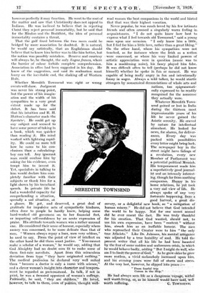
British journalist Meredith Townsend in a contemporary review article discussing the significant military potential of India under a Prussian-style conscription model. Townsend’s analysis highlights the immense manpower of India, suggesting such a force could have global implications. Similar discussions regarding the scale of British Empire resources appeared in various late 19th-century newspapers.
Notable Figures From This Article:
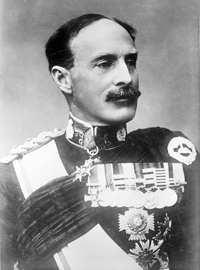
Sir Ian Standish Monteith Hamilton (British Army officer) 1853 - 1947
Mr. Meredith Townsend
1831–1911
was a British journalist and author, known for editing the Spectator and writing Asia and Europe (1901), who often commented on British rule in India.
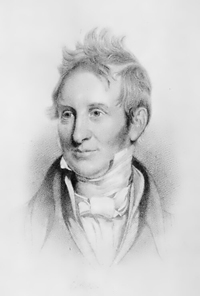
Mountstuart Elphinstone (1779–1859) was a pivotal Scottish administrator, diplomat, and historian in British India.
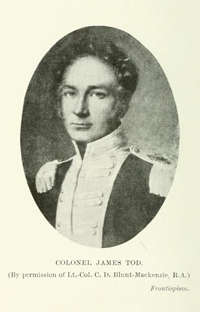
Colonel James Tod (1782–1835) was a British East India Company officer, political agent, and renowned Indologist who spent 24 years in India (1799–1823).
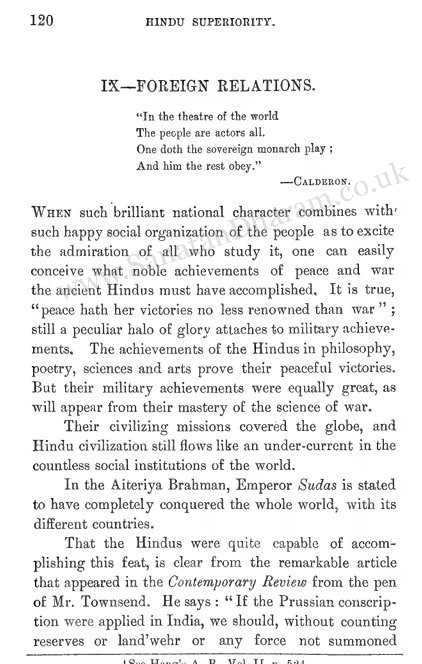
Chapter: X— FOREIGN RELATIONS
"In the theatre of the world The people are actors all.
One doth the sovereign monarch play ; And him the rest obey."
— Calderon.
When such brilliant national character combines with' such happy social
organization of the people as to excite the admiration of all who study it, one
can easily conceive what noble achievements of peace and war the ancient Hindus
must have accomplished.
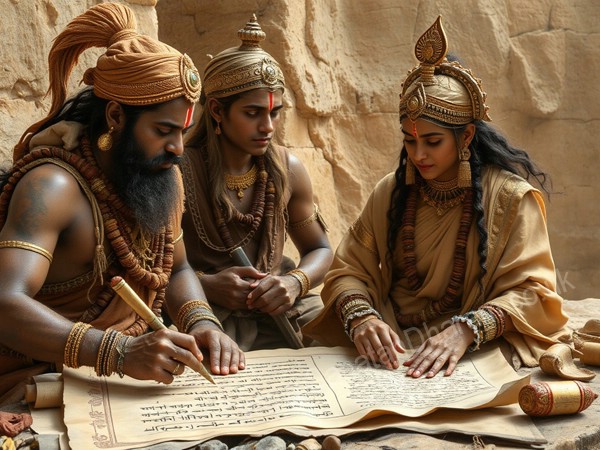
It is true, "peace hath her victories no less renowned than war " ;
still a peculiar halo of glory attaches to military achievements.
The achievements of the Hindus in philosophy, poetry, sciences and arts prove
their peaceful victories.
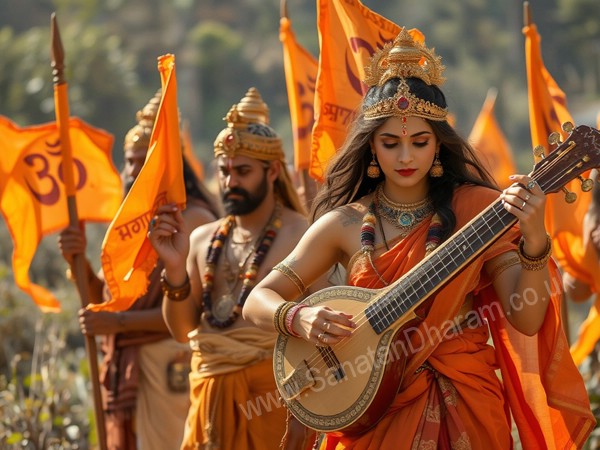
But their military achievements were equally great, as
will appear from their mastery of the science of war.
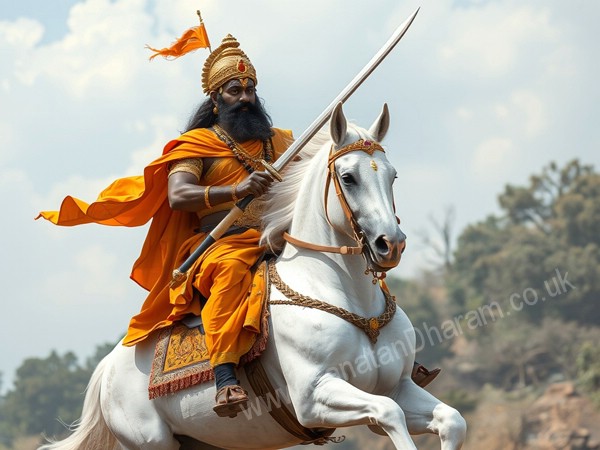
Their civilizing missions
covered the globe, and Hindu civilization still flows like an under-current in
the countless social institutions of the world.
In the Aiteriya Brahman, Emperor
Sudas is stated to have completely conquered the whole world, with its different
countries.
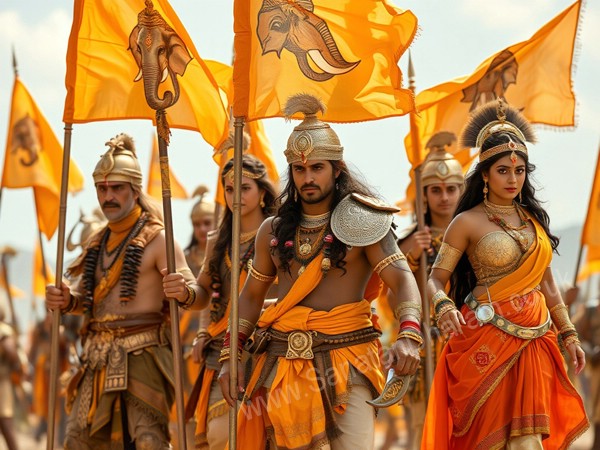
That the Hindus were quite capable of accomplishing this feat, is
clear from the remarkable article that appeared in the Contemporary Review from
the pen of Mr. Townsend. He says:
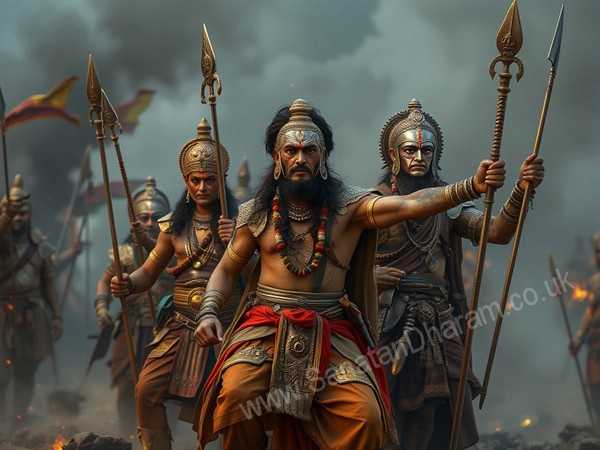
"If the Prussian conscription were applied
in India, we should, without counting reserves or land 'wehr or any force not
summoned in time of
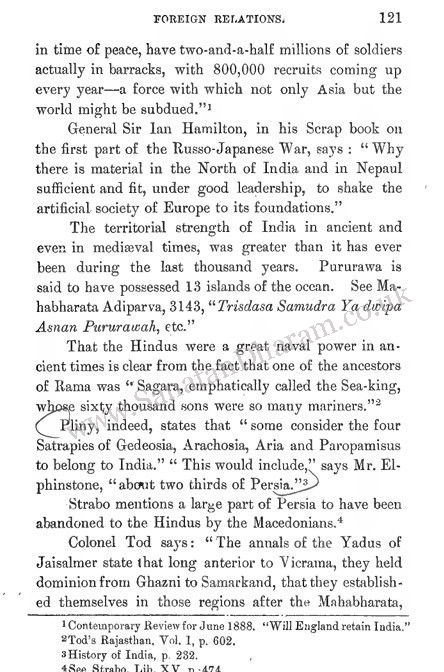
peace, have two-and-a-half millions of soldiers actually in barracks, with
800,000 recruits coming up every year — a force with which not only Asia but the
world might be subdued."
General Sir Ian Hamilton, in his Scrap book on the
first part of the Russo-Japanese War, says:
"Why there is material in the
North of India and in Nepaul sufficient and fit, under good leadership, to shake
the artificial society of Europe to its foundations."
"The territorial strength
of India in ancient and even in medieval times, was greater than it has ever
been during the last thousand years. Pururawa is said to have possessed 13
islands of the ocean. See Mahabharata Adiparva, 3143, Trisdasa Samudra Ya
dwipa Asnan Pururawah, etc."
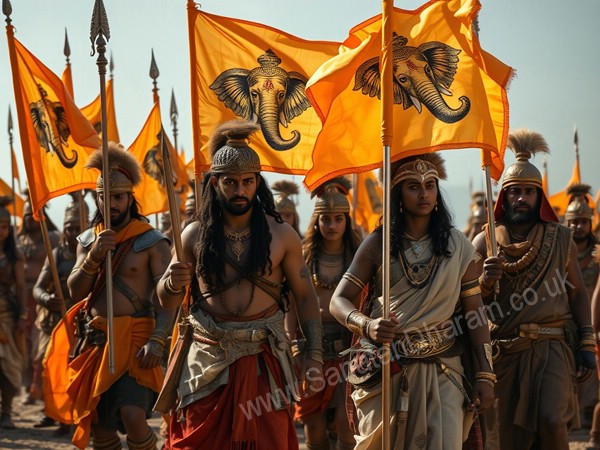
"That the Hindus were a great naval power in ancient times is clear from the fact that one of the ancestors of Rama was '•
Sagara, emphatically called the Sea-king, whose sixty thousand sons were so many
mariners."
A liny, indeed, states that " some consider the four Satrapies of
Gedeosia, Arachosia, Aria and Paropamisus to belong to India."
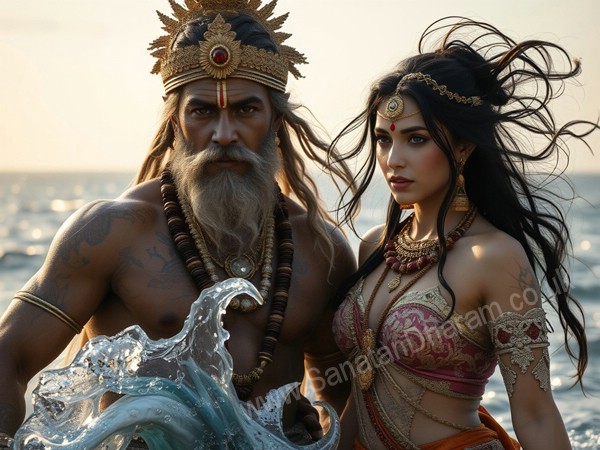
"This would include,"
says Mr. Elphinstone,
"about two thirds of Persia Strabo
mentions a large part of Persia to have been abandoned to the Hindus by the
Macedonians."
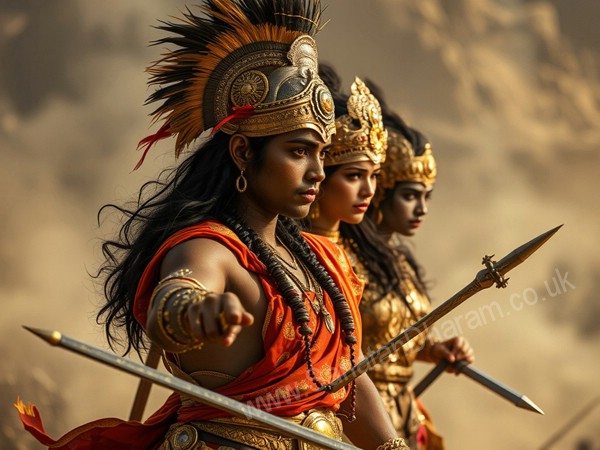
Colonel Tod says:
"The annals of the Yadus of Jaisalmer state
that long anterior to Yicrama, they held dominion from Ghazni to Samarkand, that
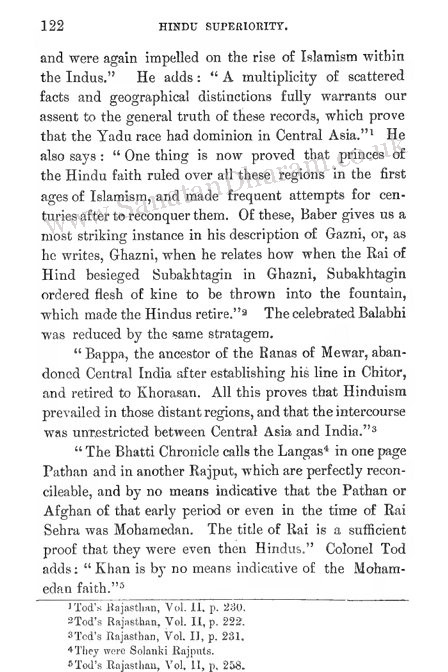
they established themselves in those regions after the Mahabharata,
and were again impelled on the rise of Islamism
within the Indus."
He adds:
"A multiplicity of scattered facts and
geographical distinctions fully warrants our assent to the general truth of
these records, which prove that the Yadu race had dominion in Central Asia."
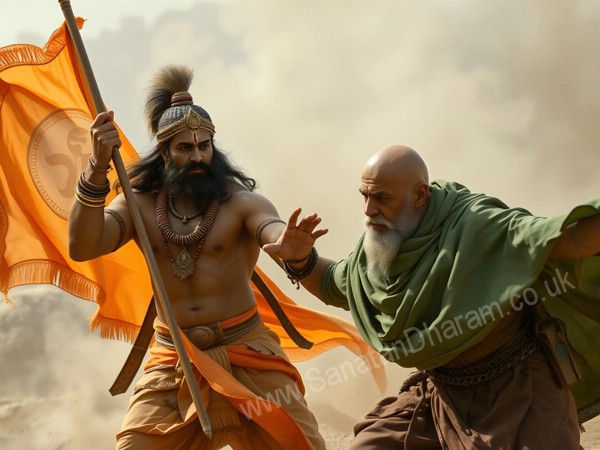
He also says :
"One thing is now proved that princes of the Hindu faith ruled over
all these regions in the first ages of Islamism, and made frequent attempts for
centuries after to reconquer them."
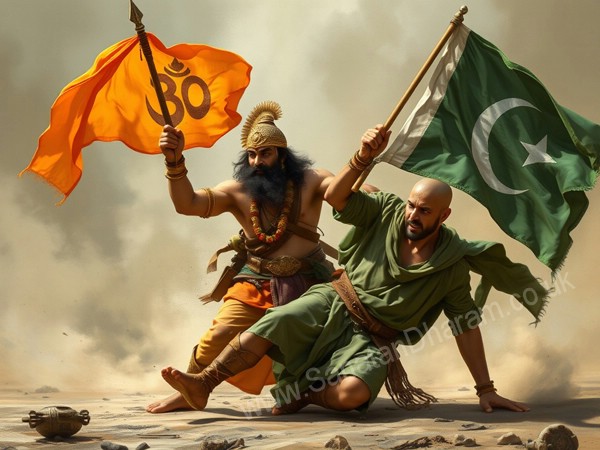
"Of these, Baber gives us a most striking
instance in his description of Gazni, or, as he writes, Ghazni, when he relates
how when the Rai of Hind besieged Subakhtagin in Ghazni, Subakhtagin ordered
flesh of kine to be thrown into the fountain, which made the Hindus retire."
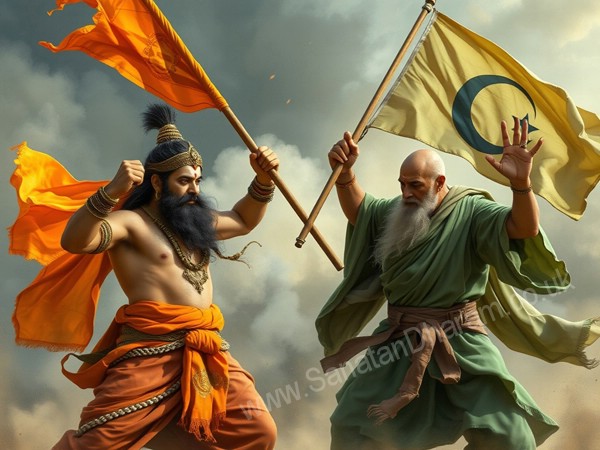
The celebrated Balabhi was reduced by the same stratagem.
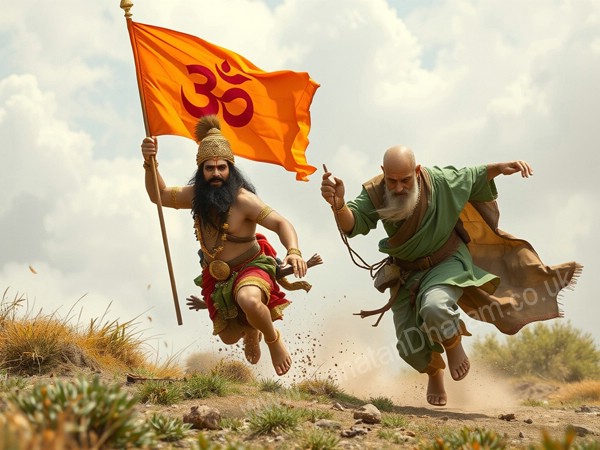
"Bappa, the ancestor
of the Kanas of Mewar, abandoned Central India after establishing his line in
Chitor, and retired to Khorasan. All this proves that Hinduism prevailed in
those distant regions, and that the intercourse was unrestricted between Central
Asia and India."
"The Bhatti Chronicle calls the Langas in one page Pathan
and in another Rajput, which are perfectly reconcileable, and by no means
indicative that the Pathan or Afghan of that early period or even in the time of
Rai Sehra was Mohamedan.
The title of Rai is a sufficient proof that they were
even then Hindus." Colonel Tod adds : " that they were even then Hindus."
Colonel Tod adds : "Khan is by no means indicative of the Mohamedan faith. "
____________________________________________________________________________________________________________
Quotes & extracts for this article can be found here.
- Book source:
"Hindu Superiority (Classic Reprint): An Attempt to Determine the Position of the Hindu Race in the Scale of Nations" (reprint) – 24 Aug. 2018
by Har Bilas Sarda (Author)
Originally published: 1867
Print length : 490 pages
ISBN-10 : 1397748796
ISBN-13 : 978-1397748799
Available on: Amazon
Available online: Archive.org
Similar Topics
Hindu Superiority - Part One || Hindu Superiority - Part Two || Hindu Superiority - Part Three ||Share Your Thoughts Below
No comments found.







Resend activation URL
Login | Register
Enter your email address in the field below and we'll send you an email with activation URL.